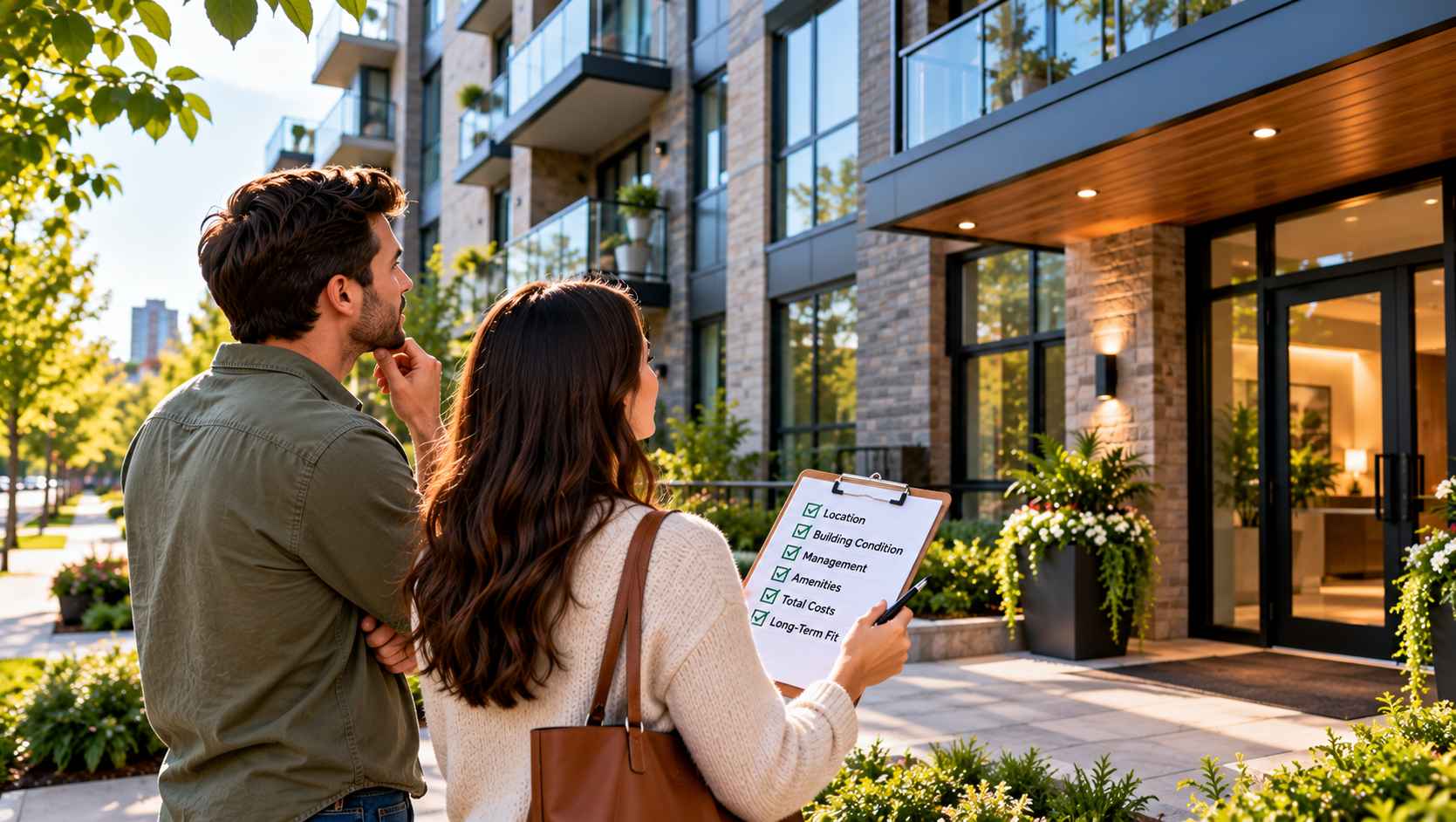
Choosing a rental home is more than deciding whether an apartment looks good during a twenty-minute viewing. A rental agreement creates a recurring housing expense and shapes daily routines, so it deserves the same kind of structured consideration people often give to other major financial commitments.
A property may have an attractive kitchen, a convenient layout, or an appealing monthly rent, but those factors alone do not determine whether it will remain a good fit.
A better approach is to evaluate the complete rental experience: the actual cost, location, building, management, daily convenience, and whether the home is likely to continue meeting your needs over time.
Start With Your Actual Priorities
Before comparing properties, identify what matters most to your household.
A renter who works remotely may prioritise a quiet environment and a practical space for a home office. Someone who commutes every day may place greater importance on transportation and travel time. A family may need additional storage, convenient access to services, or a layout that works for changing household routines.
Make a short list of essential requirements and desirable extras.
This distinction is useful because rental searches can become distracting when every property is judged against every possible feature. Knowing what is genuinely important makes it easier to compare homes objectively.
It also helps prevent one attractive feature from overshadowing several practical disadvantages.
Calculate the Full Housing Cost
Monthly rent is usually the first number renters compare, but it may not represent the complete cost of living in a particular property.
Depending on the rental arrangement, there may be additional costs associated with utilities, parking, laundry, transportation, storage, or other household needs.
The exact costs vary, so renters should clarify what is included and what is paid separately before making a decision.
Transportation deserves particular attention. A property that appears less expensive may become less attractive if it requires a significantly longer commute or additional transportation expenses.
The goal is not necessarily to choose the cheapest apartment. It is to understand what the housing decision will cost in practical terms.
Evaluate the Location Through Your Routine
A neighbourhood can look appealing on a map while being inconvenient for everyday life.
Think about the places you visit regularly. Grocery stores, workplaces, schools, pharmacies, parks, public transit, restaurants, community facilities, and other services may all influence how practical a location feels.
Consider your normal weekday rather than an occasional weekend.
How long will it take to get to work? Where will you buy groceries? How easy is it to reach public transit? Are the services you rely on accessible without making every errand a major trip?
If possible, visit the area at different times of day.
A location’s practical value comes from how well it supports your routine, not simply from how it looks during a property viewing.
Look at the Building, Not Just the Suite
Once inside an apartment, it is easy to focus entirely on the unit.
Take some time to consider the rest of the property as well.
Look at shared hallways, entrances, elevators, laundry areas, parking areas, storage spaces, and other common facilities that you may use regularly.
General cleanliness and upkeep can provide useful information about the overall residential environment. You do not need to expect an older building to look new, but its condition should give you a realistic sense of the property you would be joining.
Also consider practical questions such as how waste and recycling are handled, where deliveries are received, and how residents access shared areas.
These details may seem minor during a viewing, but they become part of everyday life after moving in.
Understand How Property Management Fits Into the Experience
A rental home involves more than the physical space. Communication and maintenance processes can also influence how manageable the tenancy feels.
Ask how residents are expected to report maintenance concerns and who should be contacted when something requires attention.
You can also ask general questions about how building-related communication works.
The objective is not to expect every maintenance issue to be resolved instantly. Buildings require ongoing care, and some problems naturally take more time to address than others.
Instead, renters should understand the process and know where to direct questions when something needs attention.
When comparing professionally managed rental housing, renters may also encounter options such as Osgoode Properties rentals while researching different approaches to residential property management. The useful comparison is not simply the company name, but how the overall management experience fits the renter’s priorities.
Examine the Apartment for Practical Usability
An apartment can look spacious during a viewing and still be difficult to arrange once your furniture arrives.
Think about usable space rather than square footage alone.
Consider where your bed, sofa, dining table, desk, television, and storage furniture would actually go. Look at door swings, windows, closets, electrical outlets, and the location of major fixtures.
If you work from home, identify a realistic workspace before deciding that a particular layout will work.
If you have children, pets, or larger furniture, think about movement through the apartment and where everyday belongings will be stored.
Try to picture an ordinary week rather than simply admiring the apartment while it is empty.
Consider Noise and Privacy
Noise can be difficult to judge during a short viewing.
Pay attention to sounds from hallways, neighbouring units, traffic, elevators, mechanical areas, or other parts of the property.
The level of noise that feels acceptable depends on the individual renter. Someone who spends most of the day away may have different priorities from someone who works or studies at home.
Privacy matters in a similar way.
Consider bedroom placement, windows, shared walls, entrances, and how the apartment connects to common areas.
You may not be able to predict every aspect of the living environment, but paying attention to these factors can help you ask better questions before committing.
Review Parking, Storage, and Laundry
Practical facilities deserve more attention than they often receive.
If you drive, understand the parking arrangement before signing. If you do not drive, consider how easily you can access public transit, cycling routes, or nearby services.
Storage is another consideration.
Think about seasonal clothing, luggage, sports equipment, bicycles, household supplies, and other items that need a home. A lack of storage may not seem important during a short viewing, but it can become frustrating over time.
Laundry arrangements should also be considered.
Whether laundry is inside the apartment, elsewhere in the building, or provided through another arrangement, make sure you understand how it fits your normal schedule.
Read the Lease Before Making a Commitment
A viewing tells you what the property looks like. The lease establishes the terms of the rental arrangement.
Read it carefully before signing and make sure you understand the important provisions that apply to your tenancy.
Depending on the agreement, these may include payment arrangements, the rental period, responsibilities for utilities or maintenance, rules concerning the use of the property, and other conditions.
Do not rely solely on assumptions or verbal impressions.
Rental laws and tenant protections can vary between provinces and circumstances, so renters should review the applicable provincial rules and seek appropriate advice when they have questions about their specific legal rights or obligations.
The important point is simple: understand the agreement before committing to it.
Think About Move-In and Move-Out Logistics
A rental decision does not begin and end with the viewing.
Consider how practical the move itself will be.
Where would a moving vehicle park? Is there an elevator or another access arrangement? Are there building procedures for moving large furniture? What needs to be completed before move-in?
These details may vary by property, so ask the appropriate management contact for the information that applies.
It is also worth thinking about the eventual move-out process. Understanding responsibilities and notice requirements in advance can make the overall rental arrangement easier to manage.
Ask Whether the Home Can Adapt With You
A property that works today may not necessarily work a year from now.
Think about foreseeable changes in your household.
You may begin working from home more often, acquire a vehicle, need additional storage, welcome a new household member, or simply find that your priorities change.
This does not mean predicting every future event.
Instead, consider whether the apartment has enough flexibility to accommodate reasonable changes.
A useful rental decision should not only answer, “Do I like this apartment today?” It should also address, “Can I realistically see this home supporting my routine for the duration of the rental period?”
Compare Properties Systematically
When several rental options seem suitable, write down the differences.
Compare the factors that actually matter to you: total expected housing costs, commute, location, apartment layout, building condition, maintenance processes, parking, storage, laundry, noise, and other priorities.
A simple comparison can reveal trade-offs that are easy to overlook when properties are viewed separately.
For example, one apartment might offer a better layout while another provides a more convenient commute. A third might have a building environment that better matches your preferences.
There may not be a perfect choice.
The purpose of a structured comparison is to understand those trade-offs clearly.
Make the Decision Based on Overall Fit
The strongest rental decision is rarely based on one impressive feature.
A large kitchen, attractive flooring, modern finishes, or a particularly appealing view can influence first impressions, but long-term satisfaction depends on much more.
Look at the complete picture.
Consider how the apartment functions, how the building is maintained, how management communicates, how convenient the location is, what the total housing costs may be, and whether the property suits the way you actually live.
Taking a structured approach does not make the decision complicated. It simply shifts the focus from the first impression to the full experience.
When renters evaluate housing as an ongoing commitment rather than just another purchase, they are better positioned to identify the compromises they are comfortable making and the issues that genuinely matter.
That perspective can make the search more deliberate, practical, and ultimately more useful for everyday life.